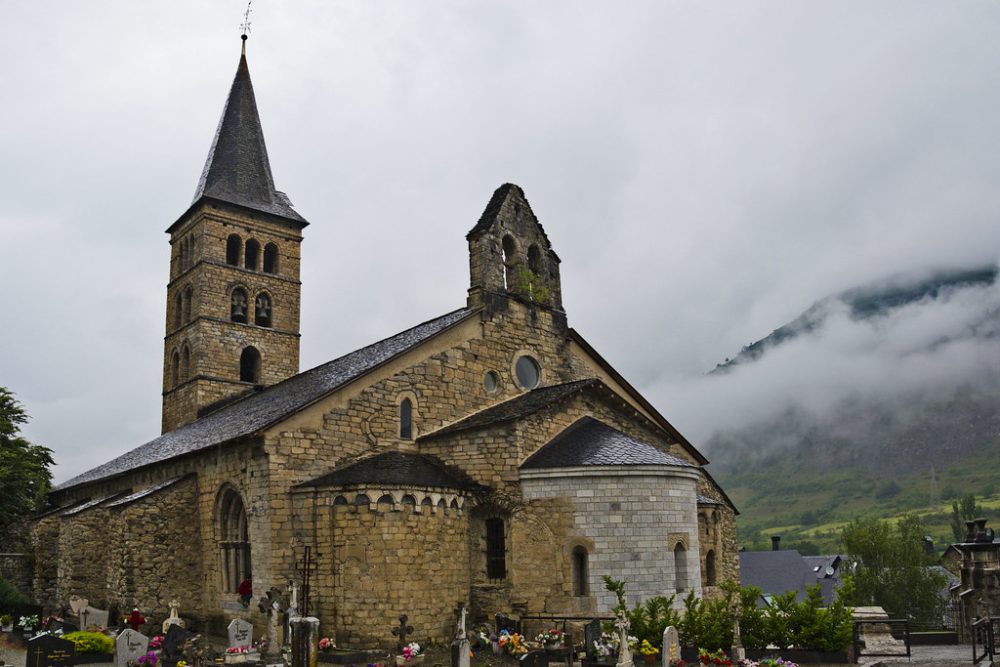
Transforming Art Spaces in the Modern Era
As we journey through 2026, the world of artis continues to evolve, driven significantly by the transformation of art spaces. The ways in which artists interact with their environments are changing, creating new platforms that foster creativity and collaboration. The emergence of hybrid spaces—where art, culture, and community converge—is redefining the traditional gallery experience.

The Rise of Hybrid Spaces
In recent years, we have witnessed a surge in hybrid spaces that blend galleries, studios, and communal areas. These spaces are not just places to view art; they are hubs for creativity, allowing artists to work, collaborate, and showcase their work in a dynamic environment. Such spaces include:
- Co-working Art Studios: These studios provide artists with affordable workspaces while encouraging collaboration and networking.
- Community Art Centers: These centers often feature classrooms and exhibition areas, allowing local artists to engage with the community.
- Pop-Up Galleries: Temporary exhibitions in unconventional locations have gained popularity, making art accessible to a broader audience.
Community Engagement through Art
The evolution of art spaces has led to greater community involvement in artistic endeavors. Artists are increasingly finding ways to engage with their local communities through interactive projects and events. This engagement is essential for fostering a sense of belonging and shared cultural experience. Here are a few notable trends:
- Collaborative Murals: Public art projects, such as community murals, are bringing people together, allowing individuals to contribute their creativity while showcasing their shared identity.
- Art Walks and Festivals: Local artists are participating in organized events that not only highlight their work but also promote community spirit and economic growth.
- Workshops and Classes: Many artists are offering workshops to teach their skills, encouraging creativity and providing opportunities for individuals to express themselves through art.
Technology and Art Spaces
As technology continues to advance, its influence on art spaces is undeniable. In 2026, artists are utilizing technology to expand their reach and enhance the artistic experience. Here are some examples of how technology is shaping the art landscape:
- Virtual Reality Galleries: Artists are utilizing VR to create immersive experiences where viewers can engage with their work in a virtual environment.
- Live Streaming Events: Artists are adapting to a digital audience by live streaming exhibitions and performances, allowing viewers from around the world to participate.
- Augmented Reality Art: The use of AR allows audiences to interact with artworks through their smartphones, blending the physical and digital realms.
Art and Sustainability
With the growing awareness of environmental issues, the art community is increasingly embracing sustainability. Artists are not only creating works that reflect ecological themes but are also considering the environmental impact of their materials and methods. In 2026, sustainable practices are becoming a hallmark of responsible art-making:
- Eco-Friendly Materials: Many artists are opting for sustainable or recycled materials, reducing their carbon footprint and promoting eco-consciousness.
- Community Art Projects: Projects that involve community participation often emphasize sustainability, using local resources to create art that reflects the community’s values.
- Awareness Campaigns: Artists are using their platforms to raise awareness about climate change, encouraging viewers to consider their role in the environment.
The Future of Artis
As we move forward, the future of artis appears bright and promising. The integration of technology, community engagement, and a focus on sustainability are just a few of the themes that will likely shape art spaces in the years to come. Artists and audiences alike are embracing these changes, ensuring that artis continues to reflect the rich tapestry of human experience.
Conclusion
The evolution of art spaces in 2026 marks a significant shift in how we perceive and engage with art. By fostering collaboration, embracing technology, and prioritizing sustainability, the art community is not only redefining its identity but also making art more accessible and meaningful to everyone. As these trends continue to develop, the future of artis looks to be a vibrant and engaging journey.