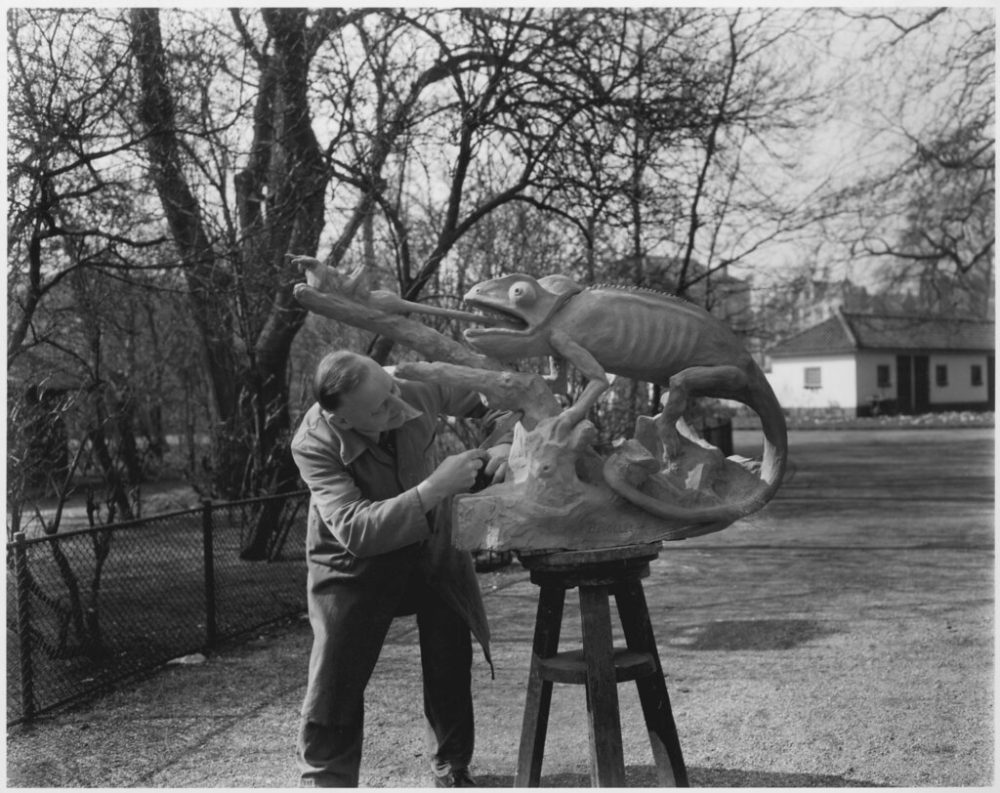
Artis in 2026: Understanding the Role of Art in Shaping Public Spaces
As we navigate through 2026, the role of art in public spaces has become increasingly prominent, influencing not just the aesthetic of our surroundings but also the cultural and social fabric of our communities. This article delves into how art is transforming public spaces, fostering community engagement, and promoting inclusivity.
The Evolution of Public Art
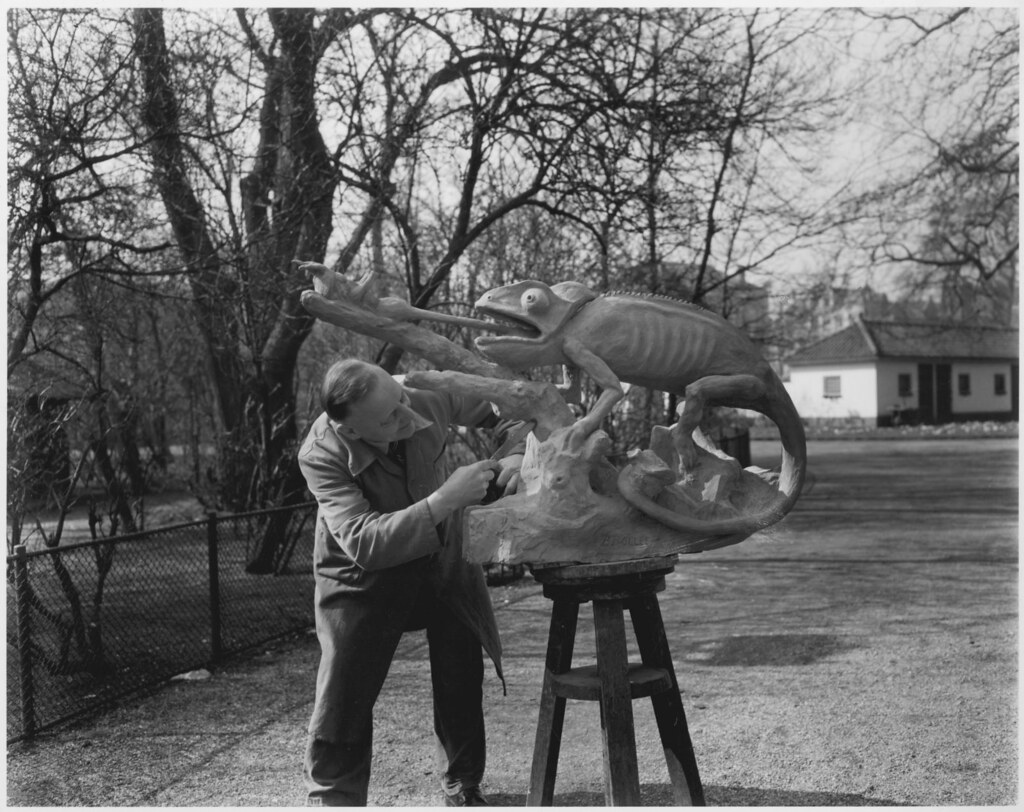
Historically, public art has been a vessel for expressing community identity and cultural heritage. In recent years, this notion has evolved dramatically, leading to a more interactive and accessible approach. Artists today are embracing various mediums and technologies, allowing them to create immersive experiences that invite public participation.
Creating Engaging Spaces
Artworks in public spaces, such as murals, sculptures, and installations, serve a critical role in enhancing the environment. They do more than beautify; they transform underutilized areas into vibrant community hubs. Here are some examples of how art contributes to creating engaging spaces:
- Beautification: Artistic installations can revitalize neglected areas, making them more appealing to residents and visitors alike.
- Interactive Experiences: Art can encourage interaction through installations that invite people to engage physically and emotionally, such as swing sets designed as art pieces.
- Cultural Representation: Public art can reflect the history and diversity of a community, giving voice to underrepresented groups and creating a sense of belonging.
Art and Community Engagement
The power of art to connect people is undeniable. In 2026, cities are recognizing the importance of involving local communities in public art projects. This participatory approach not only contributes to community identity but also fosters a sense of ownership and pride. Here’s how artists and communities collaborate:
- Community Workshops: Artists are hosting workshops where community members can share their stories and contribute ideas, ensuring that the final artwork resonates with local experiences.
- Collaboration with Local Organizations: Partnerships between artists and local organizations can lead to projects that address social issues while beautifying neighborhoods.
- Public Feedback: Engaging the community in the design process, soliciting feedback through social media or public forums, can lead to more successful and widely accepted art projects.
Inclusivity in Public Art
The concept of inclusivity in art has gained traction, aiming to ensure that public art reflects the diverse narratives of a community. In 2026, inclusivity in public art means:
- Diverse Voices: Commissioning artists from various backgrounds helps to diversify the narratives and styles represented in public art.
- Accessibility: Creating art that is accessible to all, including those with disabilities, ensures that everyone can enjoy and engage with public spaces.
- Language and Culture: Incorporating multilingual elements or cultural symbols can enhance the connection of the artwork with diverse community members.
Challenges and Opportunities
While the integration of art into public spaces brings numerous benefits, it is not without challenges. These challenges include funding, maintenance, and public perception. Yet, these obstacles also present opportunities:
- Funding Innovations: Cities are exploring innovative funding models, such as crowdfunding and partnerships with local businesses, to support public art initiatives.
- Adaptive Reuse: Existing structures can be integrated into art projects, creating meaningful dialogues between the past and present.
- Technology Integration: As technology advances, artists can leverage it to create dynamic installations that evolve over time, keeping public interest alive.
The Future of Public Art
Looking ahead, the future of public art in 2026 and beyond is promising. As artists, city planners, and community members work together, we can expect to see:
- Innovative Projects: With the advent of augmented reality and interactive installations, public art will likely evolve to include experiences that engage all senses.
- Sustainability Practices: Artists will increasingly focus on sustainable materials and methods, ensuring that public art aligns with eco-friendly practices.
- Global Collaboration: Artists from different regions may collaborate on public art projects, creating a fusion of cultural expressions that enriches local communities.
Conclusion
In conclusion, the role of art in shaping public spaces has evolved, reflecting our diverse communities and fostering engagement. As we continue to embrace creativity, collaboration, and inclusivity, public art will undoubtedly play a vital role in enhancing our everyday experiences. The journey of transforming public spaces through art is ongoing, promising a vibrant future for communities across the globe.