Not long ago, artis public was something you stumbled upon — a statue in a square, a mural you passed on the way to somewhere else. In 2026, the relationship has flipped. Travelers are planning entire itineraries around a single sculpture, booking hotels near famous mural districts, and treating outdoor artworks the way previous generations treated cathedrals and castles. Artis public is no longer the backdrop of a trip. Increasingly, it is the trip.
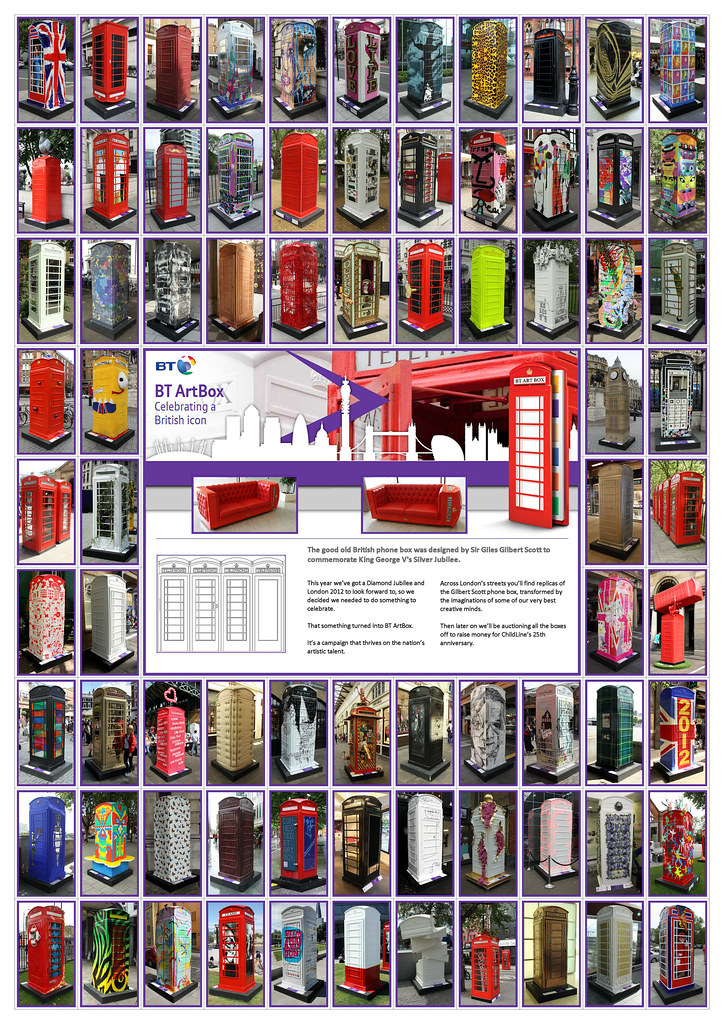
This shift matters for far more than the art world. Cities, small towns, and rural regions are discovering that a well-placed installation can redraw their position on the tourism map, extend visitor stays, and pump money into local businesses that have nothing to do with galleries or museums. Here is how the public art effect actually works — and what separates a genuine destination piece from a forgettable photo op.
The Rise of the Art-First Traveler
Travel industry surveys through 2025 and into 2026 tell a consistent story: experience-driven tourism now outweighs sightseeing in the traditional sense, and visual culture sits near the top of the experience economy. A growing segment of travelers — particularly those under 45 — report that outdoor art, murals, and installations influence where they choose to go. Some analysts have started calling the behavior ‘art-jetting,’ a nod to the set-jetting trend that sent fans flocking to film locations.
Social platforms accelerated this, but they did not create it. The deeper driver is that artis public is free, always open, and unmediated. There is no ticket queue, no closing time, no hushed gallery etiquette. For travelers fatigued by overcrowded museums and timed-entry attractions, a monumental sculpture at sunrise feels like a luxury — one that costs nothing.
From Backdrop to Bucket List
The proof is written in visitor numbers that cities now track as seriously as convention bookings. Chicago’s Cloud Gate remains the classic case study: two decades on, it still draws millions of people annually to Millennium Park, and tourism economists credit it with helping reposition the entire downtown as a cultural destination. Scotland’s Kelpies transformed a canal junction between Edinburgh and Glasgow into one of the country’s most visited attractions. Miami’s Wynwood Walls turned a warehouse district into a global street-art pilgrimage site, spawning galleries, breweries, and hotels in its orbit.
What these projects share is a halo effect. The artwork becomes the city’s handshake — the image on the postcard, the thumbnail in the search results, the reason a traveler adds one more night to the itinerary. In 2026, destination marketing organizations openly court this effect, commissioning signature pieces not as decoration but as tourism infrastructure, on par with convention centers and waterfront promenades.
The Ripple Effect on Local Economies
A destination artwork does not sell tickets, but everything around it sells something. The economic logic of artis public tourism typically unfolds in layers:
- Foot traffic: A magnetic installation pulls thousands of people past cafés, shops, and food vendors they would never have visited otherwise.
- Longer stays: Travelers who come for art tend to cluster activities — a mural district in the morning, a local lunch, a museum in the afternoon — converting day trips into overnight bookings.
- Free marketing: Every visitor photo shared online is organic advertising that destination marketers could never afford to buy.
- Event gravity: Successful artworks anchor festivals, night markets, and seasonal programming that repeat the economic surge year after year.
- Business attraction: Creative districts with strong visual identities draw remote workers, small studios, and hospitality investment, compounding the original impact.
Crucially, this is one of the few tourism strategies that also serves residents. Locals get the artwork, the activated public space, and the improved streetscape whether or not a single tourist ever shows up.
Art Trails and the Slow-Travel Movement
The most interesting development of 2026 is not any single landmark — it is the rise of the art trail as an itinerary device. Rather than betting on one monumental piece, regions are stringing artworks together into walkable, bikeable, or drivable routes that can occupy visitors for days.
Sculpture parks in rural areas have become anchors for weekend escapes, pairing outdoor art with farm-to-table dining and boutique lodging. Mural trails give small towns a way to tell visitors: we are worth more than a gas stop. Seasonal light festivals — building on the model popularized by events like Vivid Sydney and Lumiere in the UK — now anchor off-season calendars in cities across Europe, North America, and Asia, filling hotel rooms during months that used to be dead.
Why Trails Work Better Than Single Pieces
Trails distribute economic benefit geographically. A single blockbuster sculpture concentrates crowds in one plaza; a well-designed route spreads spending across neighborhoods and villages. Trails also reward repeat visits — a traveler who completed half a trail has a built-in reason to return. And they align perfectly with the slow-travel ethos dominating 2026: fewer flights, deeper immersion, and journeys measured in experiences rather than landmarks checked off.
What Makes a Piece of Artis Public a Destination?
Not every installation becomes a magnet, and cities that assume otherwise end up with expensive objects nobody photographs. The pieces that reliably draw crowds tend to share a few qualities:
- Scale or surprise: It either dwarfs the viewer or defies expectation — something people cannot quite believe until they see it in person.
- Interactivity: Works that respond to touch, movement, or weather give every visitor a slightly different experience and a reason to engage rather than just observe.
- A story worth retelling: A compelling origin, a beloved artist, or a connection to place gives visitors something to say beyond ‘look at this.’
- Day-and-night presence: Pieces that transform after dark double their useful hours and anchor evening economies.
- Photogenic honesty: The best destination art looks great in photos but even better in person — the opposite of a backdrop designed purely for the camera.
Avoiding the Pitfalls of Art Tourism
The public art gold rush has a shadow side. Neighborhoods have watched beloved murals get swarmed until the artwork becomes a queue and the residents become scenery. Some districts have learned the hard way that art-driven attention can accelerate displacement, pricing out the very communities whose character attracted visitors in the first place. And then there is the copycat problem: interchangeable angel wings and neon slogans, installed purely as photo bait, that add nothing to a place except another selfie wall.
The destinations getting this right in 2026 treat artis public as a long-term relationship with a place rather than a marketing stunt. They manage visitor flow, involve residents in selecting and interpreting works, and invest in pieces that would still matter to locals even if the tourists never came. Authenticity, it turns out, is not just an ethical stance — it is the actual product. Travelers can smell a set piece from a mile away, and they scroll right past it.
The Bottom Line
Artis public has quietly become one of the most cost-effective tourism tools available to cities and towns of every size. A single inspired commission can outdraw attractions that cost ten times as much, while art trails and festivals are giving entire regions a reason to be visited slowly and spent in generously. For travelers, the reward is a kind of cultural experience that no ticketed venue can replicate — art that belongs to everyone, encountered in the open air, on its own terms. For the places smart enough to invest in it, the masterpiece and the business case are increasingly the same thing.