The Renaissance of Traditional Art Techniques
As we venture into 2026, the art world is experiencing a captivating resurgence of traditional techniques that have shaped artistic expression for centuries. While digital mediums and contemporary methods dominate discussions, artists are increasingly drawing inspiration from classic practices. This article explores the significance of these techniques, their impact on modern artistry, and how they pave the way for future generations.
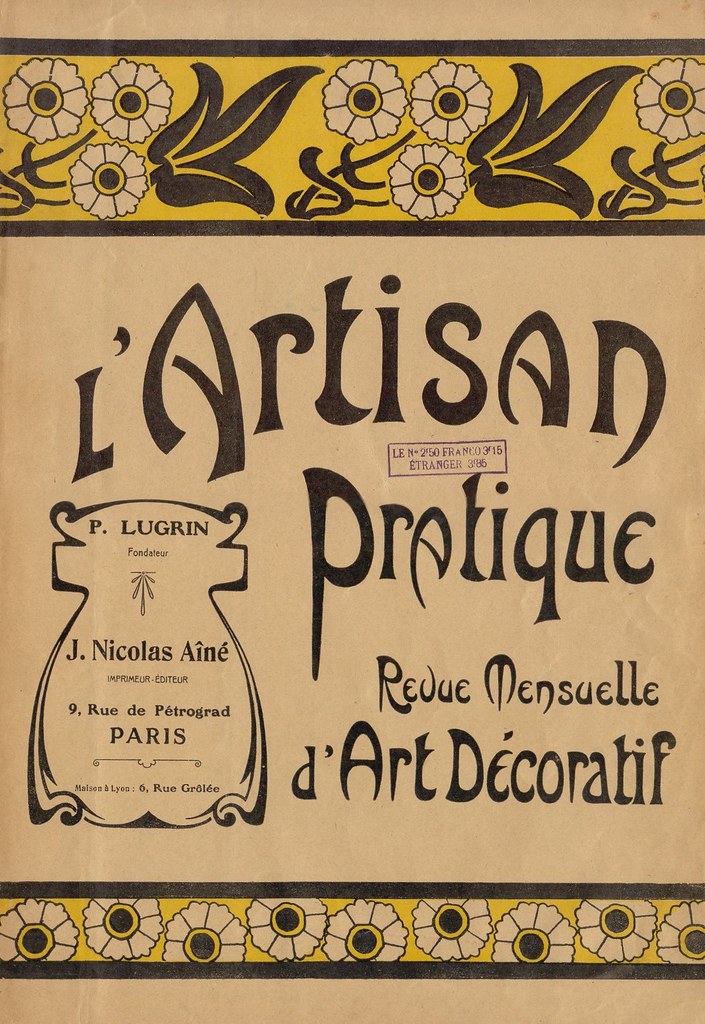
The Allure of Traditional Techniques
Many contemporary artists are returning to the roots of art-making, embracing traditional techniques such as oil painting, watercolor, and printmaking. This shift stems from a desire to reconnect with the tactile nature of art and the emotional depth that comes with manual craftsmanship. A few reasons for this revival include:
- Authenticity: In an age where digital art can often feel impersonal, traditional techniques provide a sense of authenticity and personal touch.
- Skill Development: Mastering traditional methods enhances an artist’s skill set, allowing for greater versatility in their work.
- Historical Connection: Artists find inspiration in the masters who came before them, creating a dialogue between different eras of art.
The Role of Education in Embracing Tradition
Art institutions across the globe are recognizing the importance of traditional techniques in their curriculum. By offering courses in classical art forms, they ensure that future artists are equipped with the foundational skills necessary for their creative journeys. This trend is evident in:
- Workshops and Classes: Many academies are offering workshops dedicated to traditional techniques, attracting both novices and seasoned artists seeking to refine their skills.
- Art Residencies: Residencies focusing on traditional methods foster an environment for experimentation and growth, pushing artists to deepen their understanding of these age-old practices.
- Online Learning Platforms: With the rise of online education, artists worldwide can access tutorials and courses on traditional art techniques, making this knowledge more accessible than ever.
Modern Artists Revitalizing Old Techniques
Numerous contemporary artists are making headlines by blending traditional techniques with modern themes. Their works speak to the relevance of old practices in today’s world:
- Julia Haller: Known for her stunning oil paintings that juxtapose classical subjects with contemporary issues, Haller’s work invites viewers to reconsider the narratives of historical art.
- Marcus Lee: A printmaker who integrates traditional printmaking methods with digital innovations, Lee creates hybrid pieces that challenge the boundaries of art.
- Fatima Torres: Her watercolors depict modern life while employing time-honored techniques, showcasing how tradition can still resonate with today’s audiences.
The Impact of Traditional Techniques on Urban Art
The resurgence of traditional techniques isn’t limited to canvas and paper; it’s also influencing urban art forms such as muralism and street art. Artists are reviving classical mural techniques, which offers a stark contrast to the commonly used spray paint and stencils. This shift emphasizes:
- Community Engagement: Traditional mural techniques can create more engaging community projects, where local history and culture are visually represented.
- Preservation of Heritage: Utilizing traditional methods in urban art helps preserve cultural heritage and stories that are often overlooked in modern expressions.
- Collaborative Opportunities: Artists from various backgrounds are coming together to blend their unique styles with traditional techniques, resulting in vibrant and diverse artworks.
The Future of Art: A Balance of Old and New
As the art scene continues to evolve, the balance between traditional and contemporary techniques is likely to become more pronounced. This harmonious coexistence can lead to:
- Innovative Art Forms: By merging traditional craftsmanship with modern concepts, artists are creating new genres that challenge traditional definitions of art.
- Increased Appreciation for Craftsmanship: Audiences are becoming more appreciative of the time and skill involved in traditional art, fostering a greater respect for artists and their work.
- Intergenerational Collaboration: Younger artists are partnering with established masters to learn and innovate, creating a channel for knowledge transfer and creative exploration.
Conclusion: Embracing the Past to Inspire the Future
The resurgence of traditional techniques within the art world in 2026 marks a pivotal moment in the journey of artistic expression. By rediscovering and revitalizing these age-old practices, artists are not only enriching their works but are also fostering a more profound connection to history and culture. This blend of old and new will undoubtedly influence future artists, inspiring them to navigate their creative paths with a rich appreciation for the past and an open embrace of the future.